EASA Certified Flight Instructor Training
TRI Courses
Develop the pedagogical core and instructional precision required to train multi-crew pilots. This advanced course goes beyond technical knowledge, focusing on instructional CRM, threat and error management coaching, and the ability to effectively brief, monitor, and debrief flight simulator profiles.
Provided in cooperation with
50+ Positive Client Reviews
Overview
Upgrade your skills become SFI or TRI
Upgrade your skills become SFI or TRI
An integrated instruction based on theoretical teaching and flight simulator training.
We provide the future instructor with the necessary knowledge and skills to train other pilots in a safe CRM operation.
We ensure that the future intructor will be able to successfully teach and supervise normal, abnormal and emergency operations with a special attention to limitations, systems and performances of the aircraft.
An integrated instruction based on theoretical teaching and flight simulator training.
We provide the future instructor with the necessary knowledge and skills to train other pilots in a safe CRM operation.
We ensure that the future intructor will be able to successfully teach and supervise normal, abnormal and emergency operations with a special attention to limitations, systems and performances of the aircraft.
13 Days
TRI TRAINING
program structure
Phase 01
Teaching & Learning classroom (Theoretical part)
Duration: ~25 hours in 5 days.
Content:
The learning process and psychology of learning.
Instructional techniques (Briefing, Debriefing, and Critiquing).
Human Performance and Limitations relevant to flight instruction.
Threat and Error Management (TEM) and Crew Resource Management (CRM).
Only at Flycheck ATO we will emphasize most advanced Training philosophies and student evaluation/assessment techniques as per newest ICAO / EASA Knowledge, Skills and Attitude standards (Observable behaviors (OB's) and Instructor, Evaluator competencies (IEC)
Phase 01
Teaching & Learning classroom (Theoretical part)
Duration: ~25 hours in 5 days.
Content:
The learning process and psychology of learning.
Instructional techniques (Briefing, Debriefing, and Critiquing).
Human Performance and Limitations relevant to flight instruction.
Threat and Error Management (TEM) and Crew Resource Management (CRM).
Only at Flycheck ATO we will emphasize most advanced Training philosophies and student evaluation/assessment techniques as per newest ICAO / EASA Knowledge, Skills and Attitude standards (Observable behaviors (OB's) and Instructor, Evaluator competencies (IEC)
Phase 01
Teaching & Learning classroom (Theoretical part)
Duration: ~25 hours in 5 days.
Content:
The learning process and psychology of learning.
Instructional techniques (Briefing, Debriefing, and Critiquing).
Human Performance and Limitations relevant to flight instruction.
Threat and Error Management (TEM) and Crew Resource Management (CRM).
Only at Flycheck ATO we will emphasize most advanced Training philosophies and student evaluation/assessment techniques as per newest ICAO / EASA Knowledge, Skills and Attitude standards (Observable behaviors (OB's) and Instructor, Evaluator competencies (IEC)
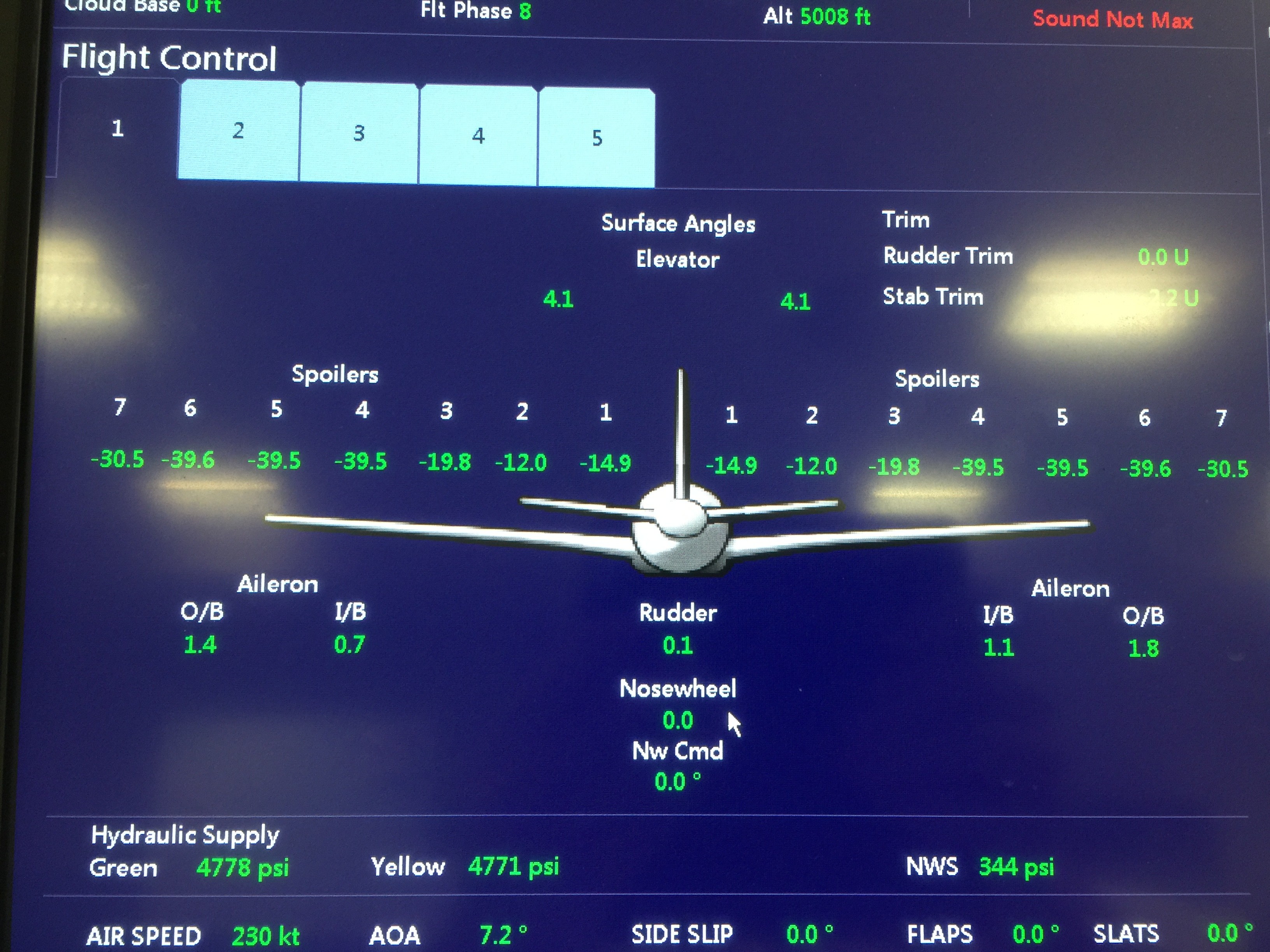
Phase 02
Technical Training classroom (Theoretical part)
Duration: ~10 hours or more
Content:
In-depth review of aircraft systems.
Standard Operating Procedures (SOPs) from an instructor’s perspective.
Review of Flight Crew Operating Manuals (FCOM) and Quick Reference Handbook (QRH).
Instructional techniques & "Long Briefings" on specific maneuvers (e.g., Engine Failure on Take-off).
Training areas of special emphasis (TASE) as per aircraft manufacturer OSD, DR IOS Basic Training: Learning to operate the Instructor Operating Station (weather, malfunctions, repositioning).
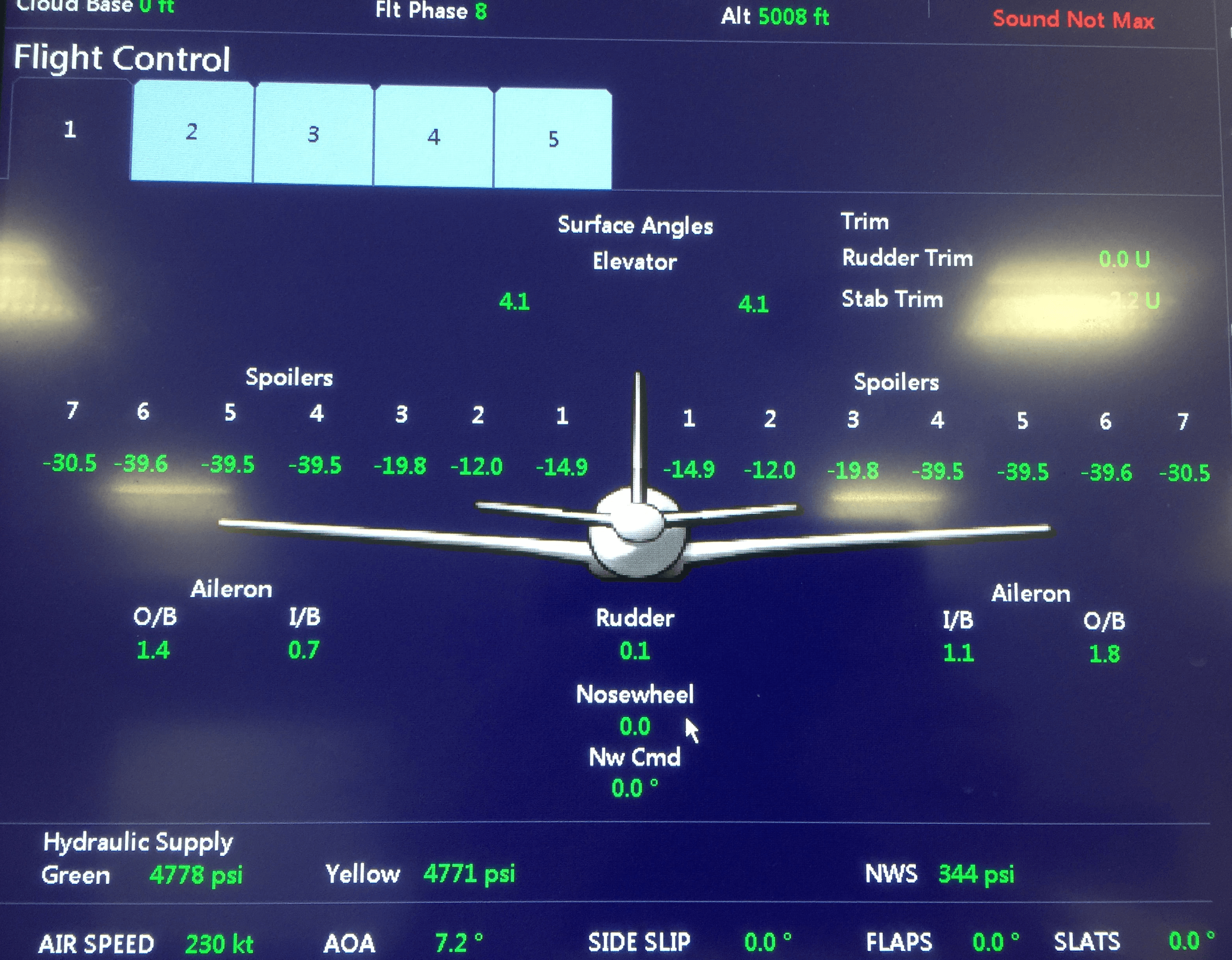
Phase 02
Technical Training classroom (Theoretical part)
Duration: ~10 hours or more
Content:
In-depth review of aircraft systems.
Standard Operating Procedures (SOPs) from an instructor’s perspective.
Review of Flight Crew Operating Manuals (FCOM) and Quick Reference Handbook (QRH).
Instructional techniques & "Long Briefings" on specific maneuvers (e.g., Engine Failure on Take-off).
Training areas of special emphasis (TASE) as per aircraft manufacturer OSD, DR IOS Basic Training: Learning to operate the Instructor Operating Station (weather, malfunctions, repositioning).
Phase 02
Technical Training classroom (Theoretical part)
Duration: ~10 hours or more
Content:
In-depth review of aircraft systems.
Standard Operating Procedures (SOPs) from an instructor’s perspective.
Review of Flight Crew Operating Manuals (FCOM) and Quick Reference Handbook (QRH).
Instructional techniques & "Long Briefings" on specific maneuvers (e.g., Engine Failure on Take-off).
Training areas of special emphasis (TASE) as per aircraft manufacturer OSD, DR IOS Basic Training: Learning to operate the Instructor Operating Station (weather, malfunctions, repositioning).
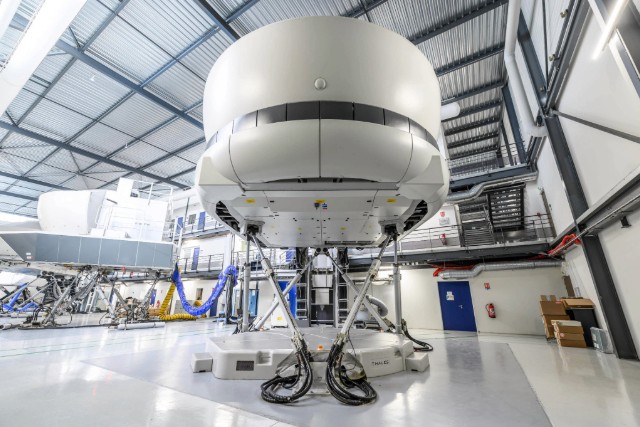
Phase 03
Simulator Training (Practical part)
Duration: 12 hours in a Level D Full Flight Simulator (FFS).
Content:
IOS Advanced Training: Learning to operate the Instructor Operating Station (weather, malfunctions, repositioning).
Abnormal/Emergency Instruction: Practicing how to induce, manage, and student performance during critical failures.
Intervention Strategies: When and how to take control or verbally intervene during a student's error.
'Simulator Management Strategies'. This will cover the effective use of the 'Freeze' and 'Reposition' functions. A key skill for a TRI is knowing how to pause a session for a 'teachable moment' without disrupting the student's situational awareness or the realism of the simulation.
Phase 03
Simulator Training (Practical part)
Duration: 12 hours in a Level D Full Flight Simulator (FFS).
Content:
IOS Advanced Training: Learning to operate the Instructor Operating Station (weather, malfunctions, repositioning).
Abnormal/Emergency Instruction: Practicing how to induce, manage, and student performance during critical failures.
Intervention Strategies: When and how to take control or verbally intervene during a student's error.
'Simulator Management Strategies'. This will cover the effective use of the 'Freeze' and 'Reposition' functions. A key skill for a TRI is knowing how to pause a session for a 'teachable moment' without disrupting the student's situational awareness or the realism of the simulation.
Phase 03
Simulator Training (Practical part)
Duration: 12 hours in a Level D Full Flight Simulator (FFS).
Content:
IOS Advanced Training: Learning to operate the Instructor Operating Station (weather, malfunctions, repositioning).
Abnormal/Emergency Instruction: Practicing how to induce, manage, and student performance during critical failures.
Intervention Strategies: When and how to take control or verbally intervene during a student's error.
'Simulator Management Strategies'. This will cover the effective use of the 'Freeze' and 'Reposition' functions. A key skill for a TRI is knowing how to pause a session for a 'teachable moment' without disrupting the student's situational awareness or the realism of the simulation.
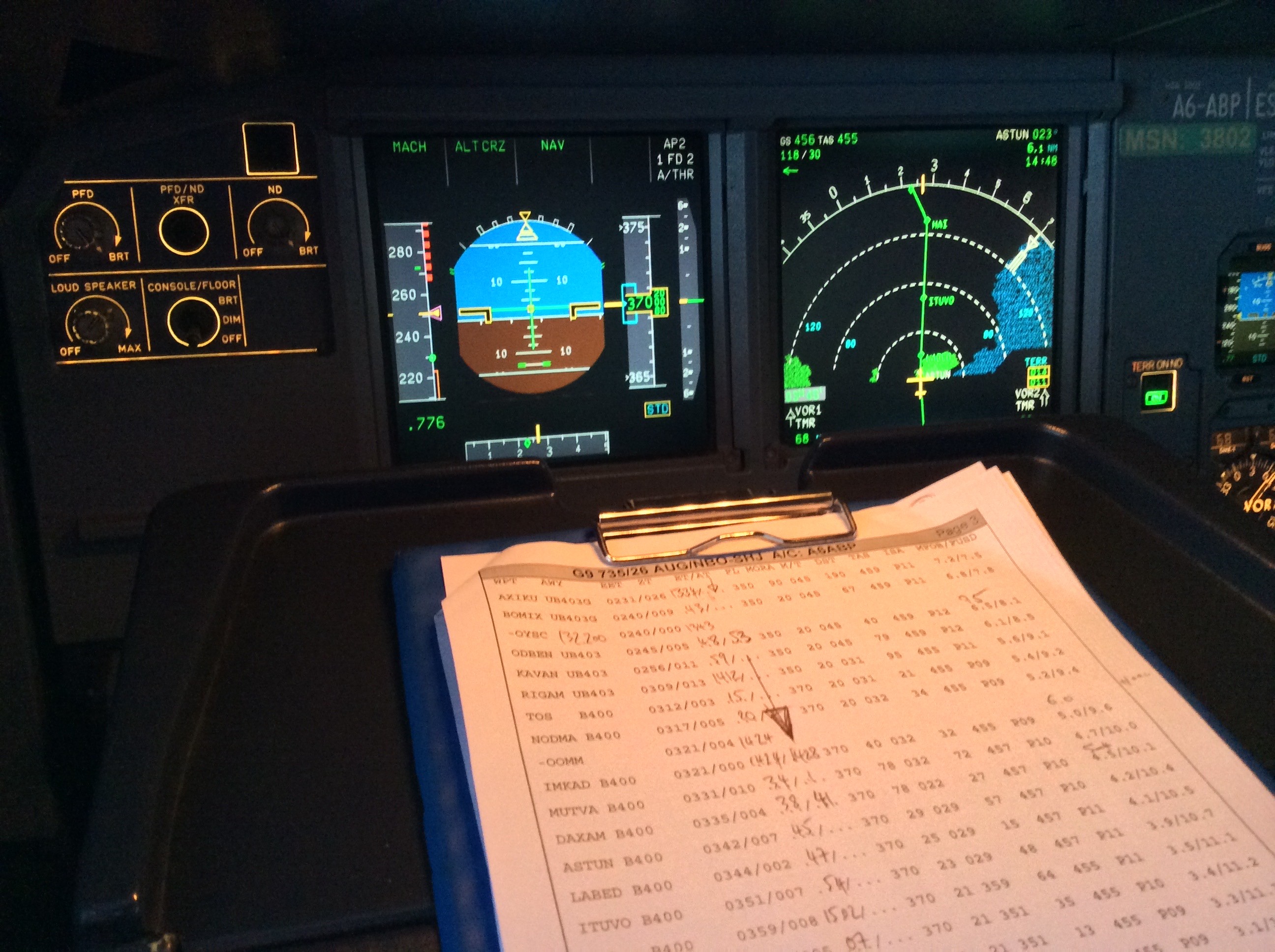
Phase 04
Assessment of Competence with Examiner
Upon completion of the training, the candidate must pass a practical Assessment of Competence conducted by a Type Rating Examiner (TRE).
This involves:
Briefing: Conducting a pre-flight briefing for a specific training session.
FFS Session: Acting as the instructor for a crew while being observed by the TRE.
Debriefing: Providing a structured, constructive debrief to the "students" including grading.
Phase 04
Assessment of Competence with Examiner
Upon completion of the training, the candidate must pass a practical Assessment of Competence conducted by a Type Rating Examiner (TRE).
This involves:
Briefing: Conducting a pre-flight briefing for a specific training session.
FFS Session: Acting as the instructor for a crew while being observed by the TRE.
Debriefing: Providing a structured, constructive debrief to the "students" including grading.
Phase 04
Assessment of Competence with Examiner
Upon completion of the training, the candidate must pass a practical Assessment of Competence conducted by a Type Rating Examiner (TRE).
This involves:
Briefing: Conducting a pre-flight briefing for a specific training session.
FFS Session: Acting as the instructor for a crew while being observed by the TRE.
Debriefing: Providing a structured, constructive debrief to the "students" including grading.
Contact
Ready to start your training with Flycheck ATO?
Join an training center and boost your operational efficiency with our EASA-approved programs. By choosing Flycheck, you gain:
Learn from experienced, real-world pilots.
Training schedules built around your constraints.
High-standard preparation for seamless integration.